I build things that actually ship — full-stack apps, AI-powered systems, and real-time platforms that solve real problems with clean, measurable code.
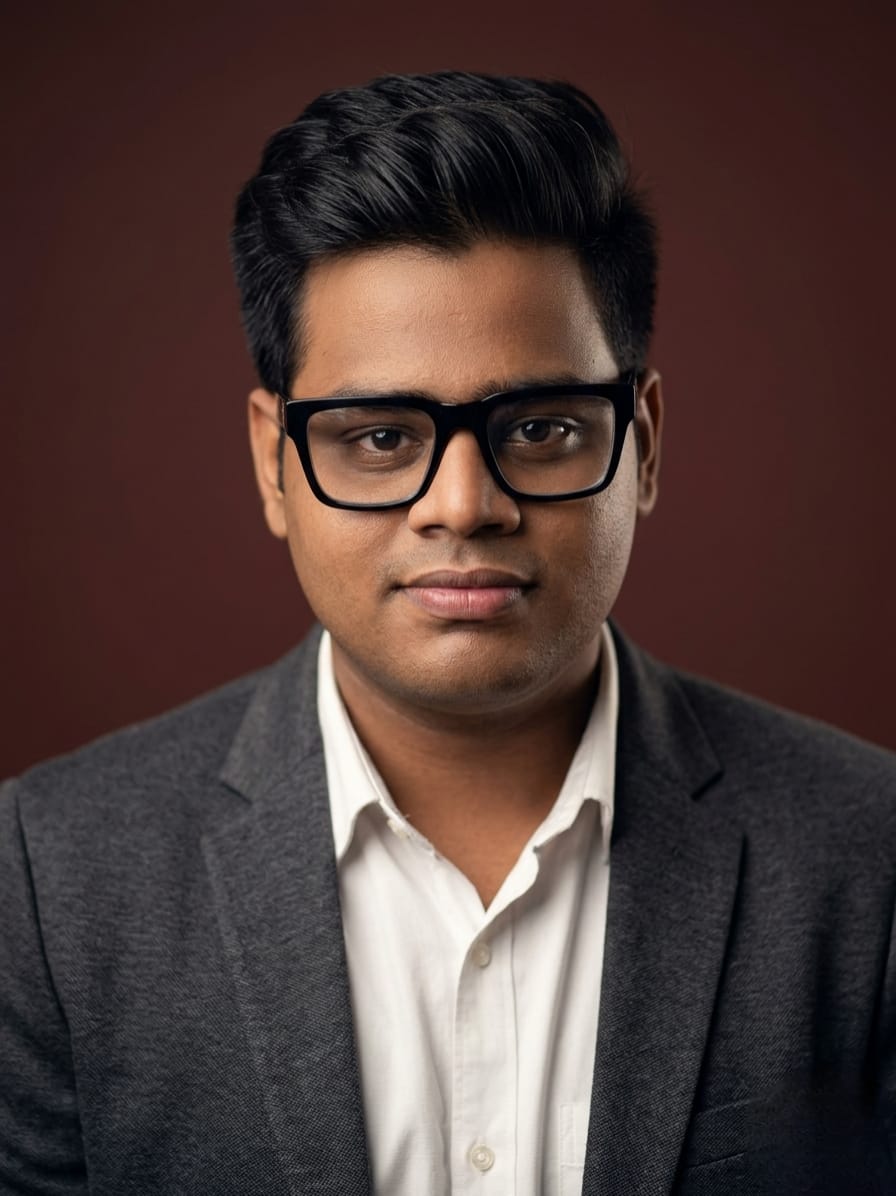
I'm a final-year IT student at St. Francis Institute of Technology, Mumbai — but I think of myself as a product builder first, student second. Since my first "hello world" I've been obsessed with closing the gap between idea and working software.
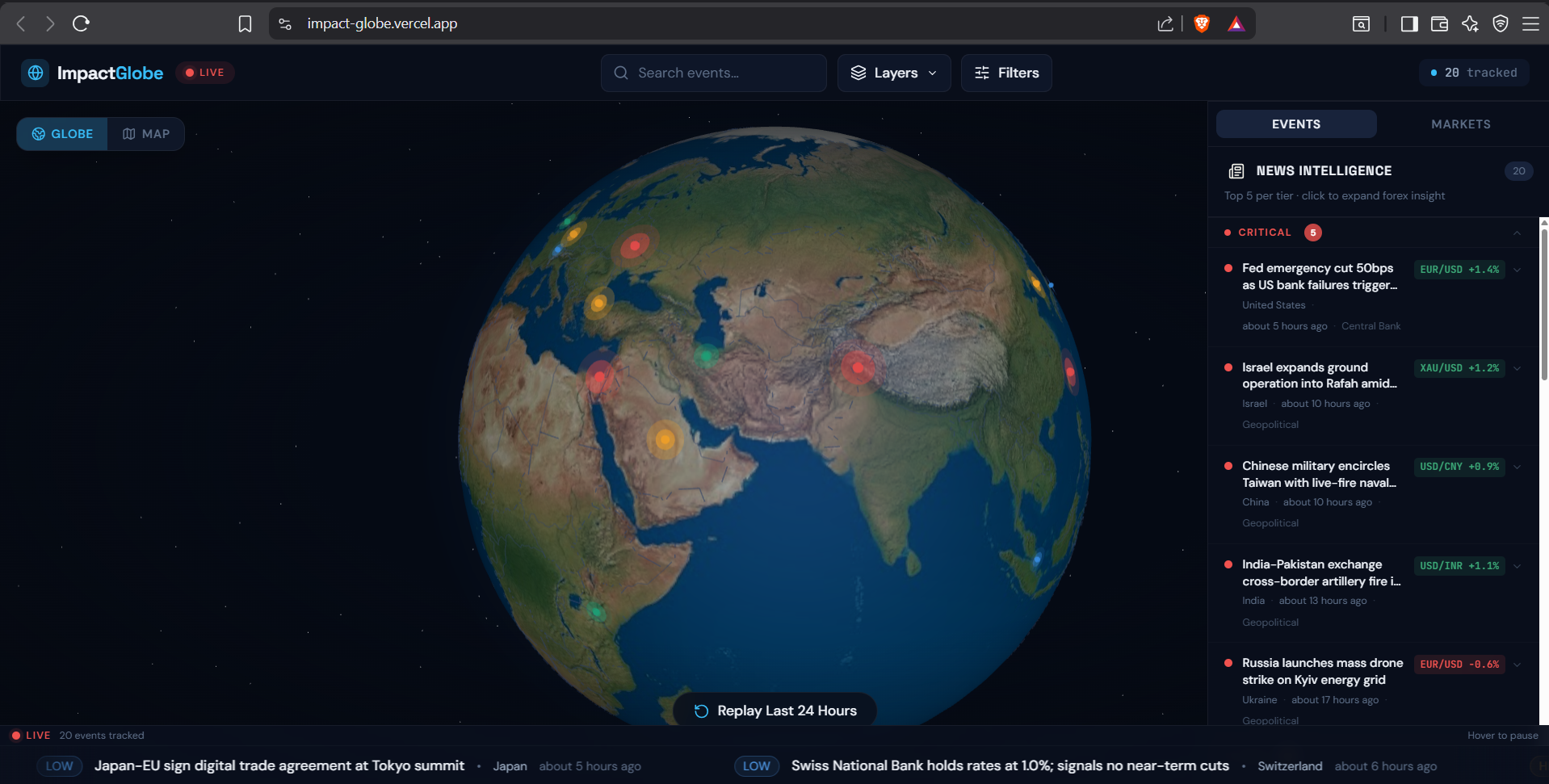
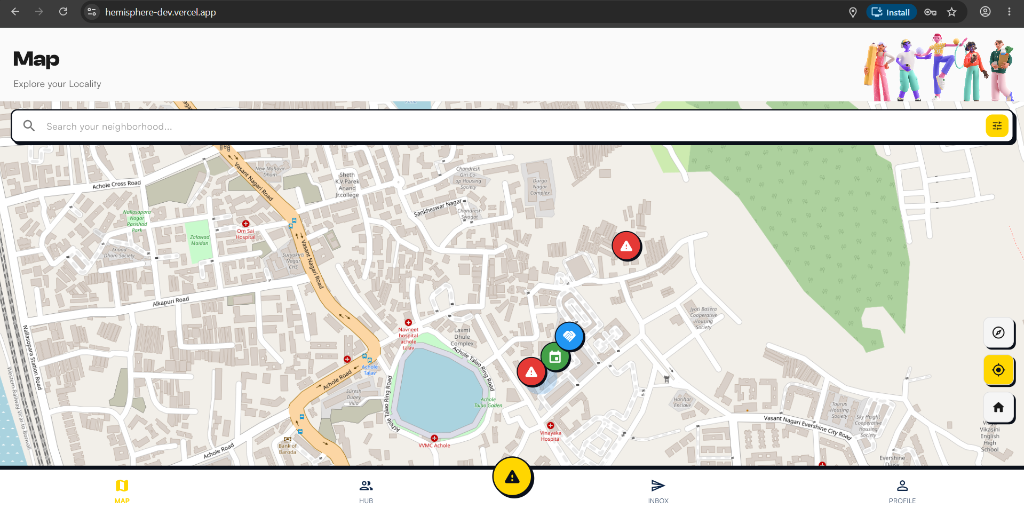
Over the past two years I've shipped 8 production-grade apps — everything from a real-time geopolitical intelligence dashboard powered by Gemini AI, to a cross-platform community safety TensorFlow's MobileNetV3. I don't just build for portfolios; I build to solve real problems.
The same long-horizon thinking that wins endgames shapes how I architect systems. Play a quick game below — you're White.
Pattern recognition under time pressure — a habit that transfers directly to debugging. Drag to view, use the buttons to twist a layer.
Building software and building teams turned out to need the same skill: clear thinking under pressure.
@ InAmigos Foundation
Developing responsive web applications, integrating AI functionalities, and optimizing user interfaces for performance.
@ Flyrank
Developing predictive models, analyzing large datasets, and deploying ML pipelines.
Advocating for Google technologies, organizing community events, and mentoring students.
Click a card to flip it and see the details.
Grouped by domain — depth over breadth, always.
I design and build scalable, high-performance web applications from idea to production — with a strong focus on usability, performance, and clean architecture.
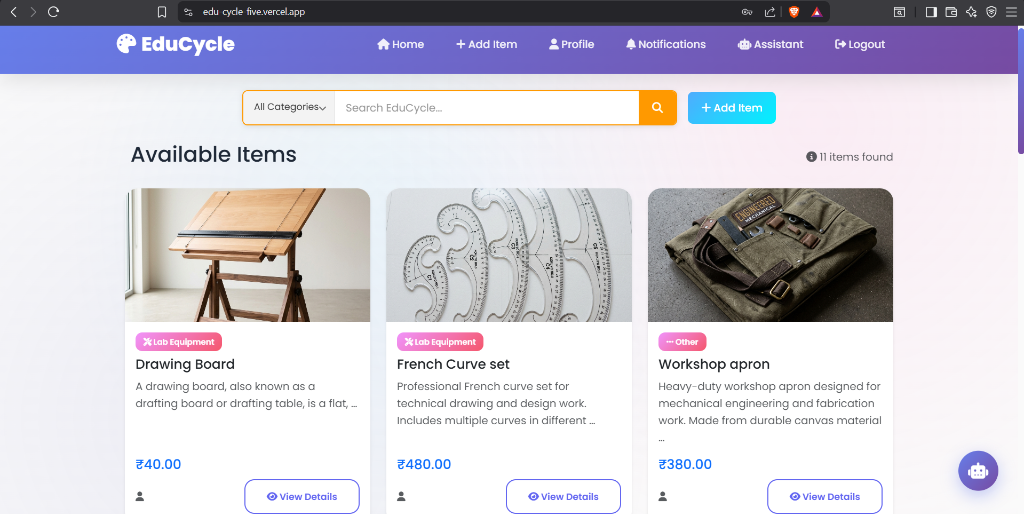
Real projects — not tutorials. Every one of these is production-grade and deployed or deployable.
The trickiest challenge was syncing live geopolitical event data with Three.js globe rendering without causing frame drops. Solved it by debouncing Firebase listeners and batching DOM updates outside the animation loop.

The key decision was choosing on-device inference (MobileNetV3) over a cloud API — this eliminated latency, worked offline, and kept sensitive incident photos off external servers. The tradeoff was a larger app bundle, offset with lazy loading.
Flip a card to see what's under the hood.
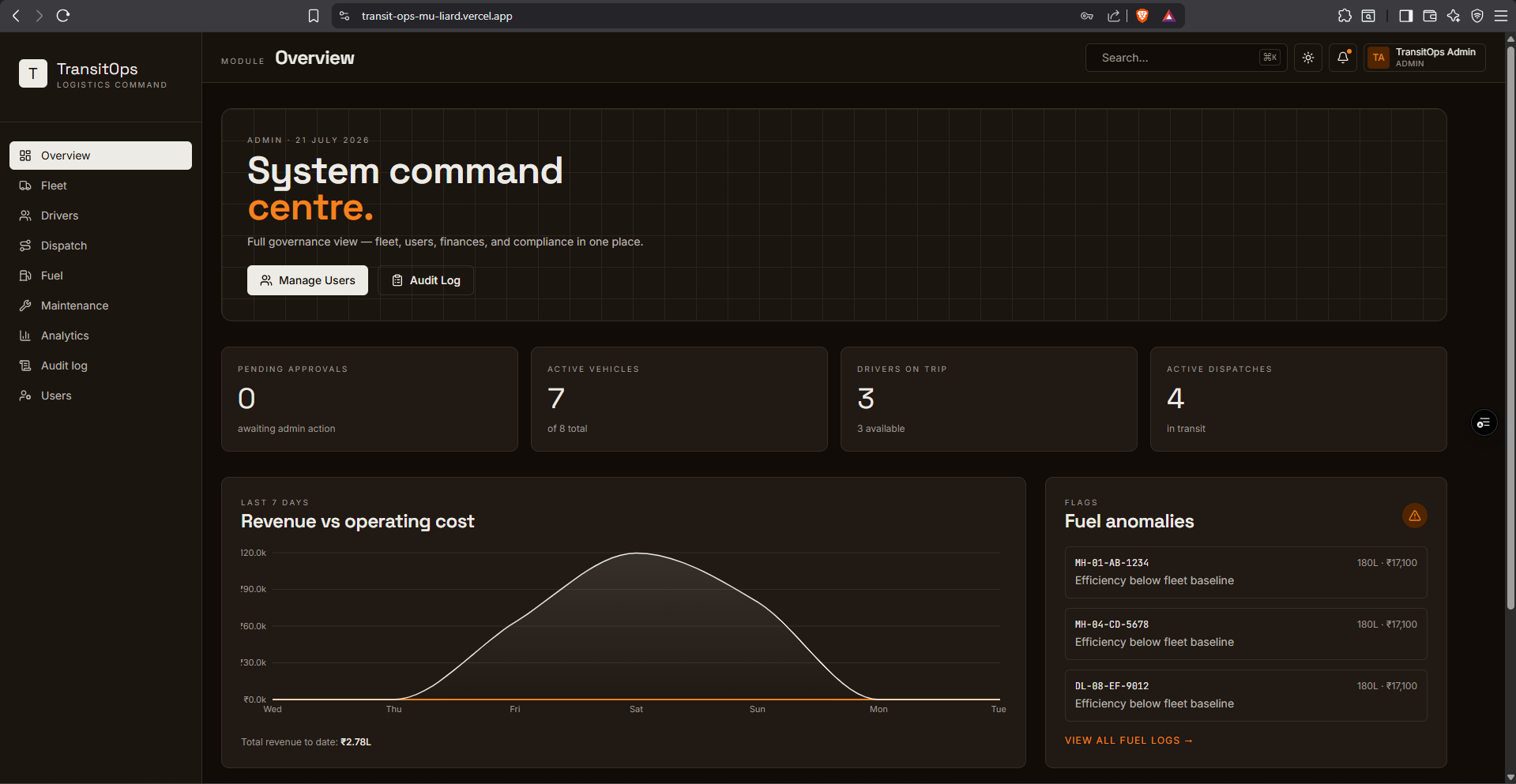
Building a fully synchronized, real-time interface across multiple modules (fleet, dispatch, fuel) required careful state management and real-time database architecture to prevent redundant fetches and ensure absolute data consistency.
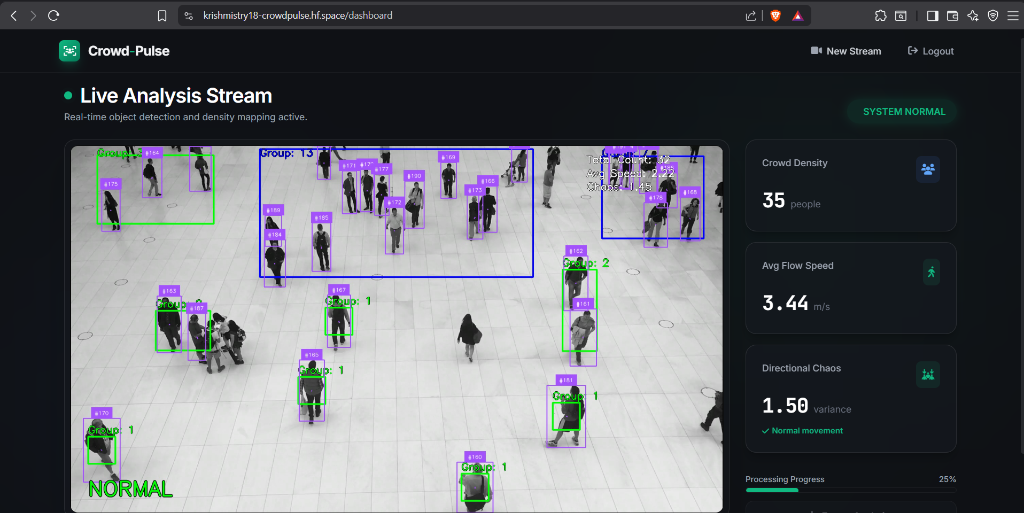
Balancing high-accuracy tracking with the low latency required for real-time alerts. I optimized the YOLOv8 tracking algorithms and moved all AI inference to an NVIDIA GPU using PyTorch (CUDA 12.1), successfully achieving real-time processing speeds without sacrificing precision.
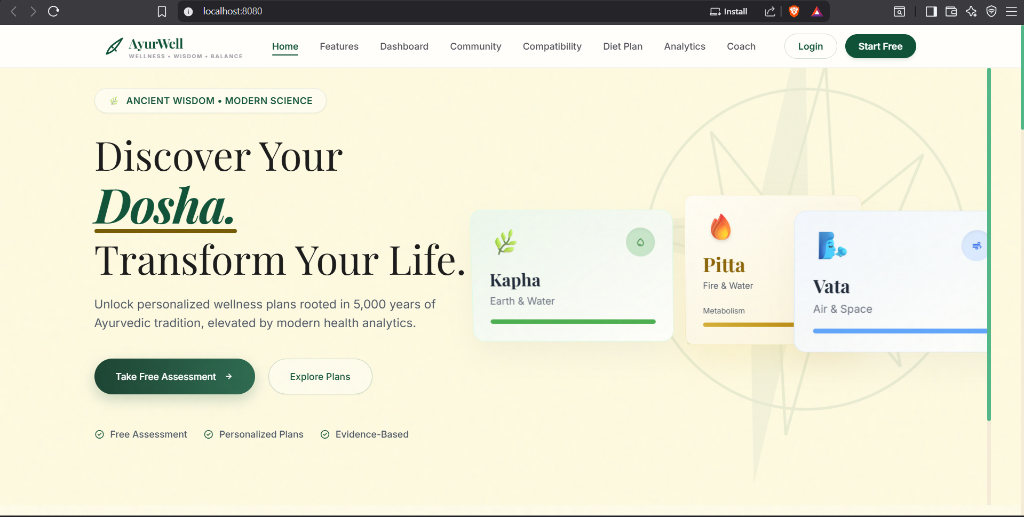
Feeding complex health profiles into the LLM safely was critical. I implemented a strict prompt chaining pipeline with validation layers to ensure the AI generated safe advice.
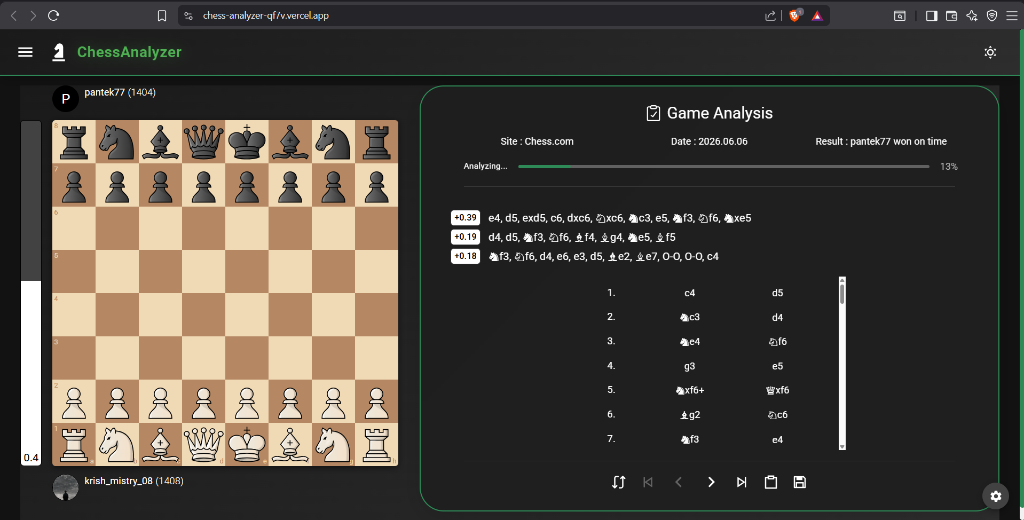
The biggest challenge was running a heavy C++ chess engine in JS without freezing the UI. I compiled Stockfish to WebAssembly (WASM) and ran it inside Web Workers, communicating via message passing.
The routing engine needed to be fast and multimodal. Instead of building from scratch, I integrated with OpenRouteService APIs but cached frequent routes in Redis to minimize API costs and latency.
Managing real-time P2P chat alongside transactional data required careful planning. I decoupled the chat microservice using WebSockets while Django handles heavy DB relations.
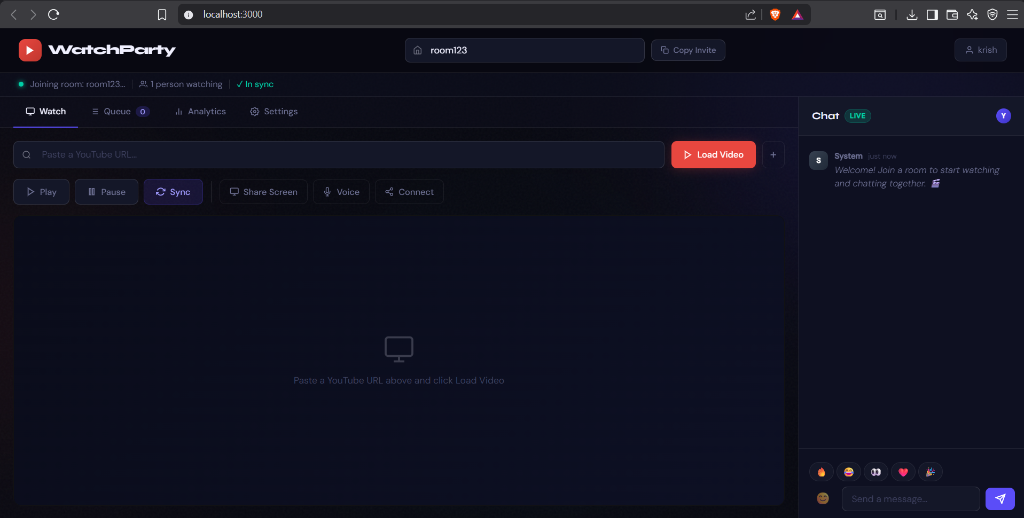
Instead of relaying video through a central server (expensive and slow), I forced a pure P2P mesh network for smaller rooms. The signaling server purely orchestrates connections.
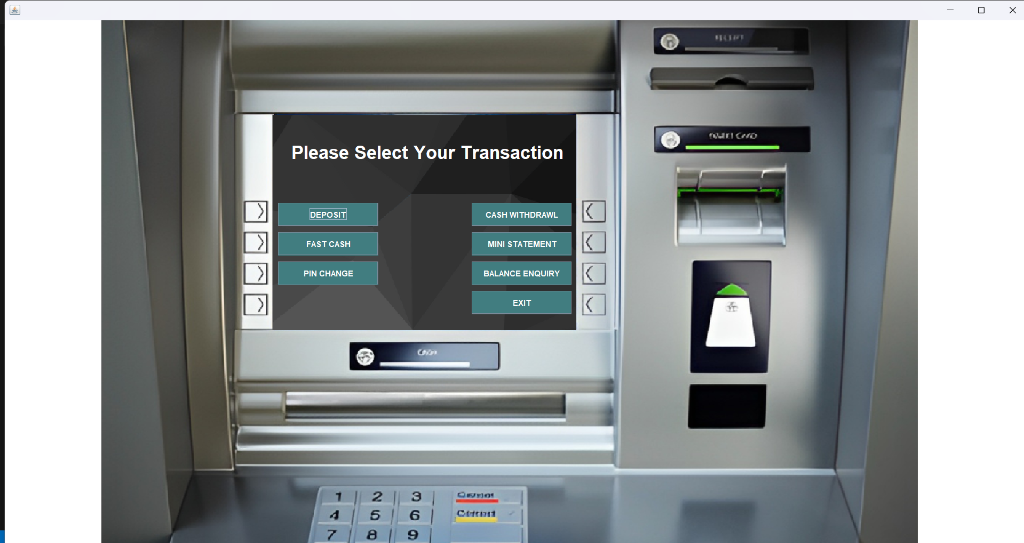
Ensuring transaction atomicity during concurrent ATM operations was paramount. I heavily utilized MySQL row-level locking (SELECT ... FOR UPDATE) to prevent race conditions.
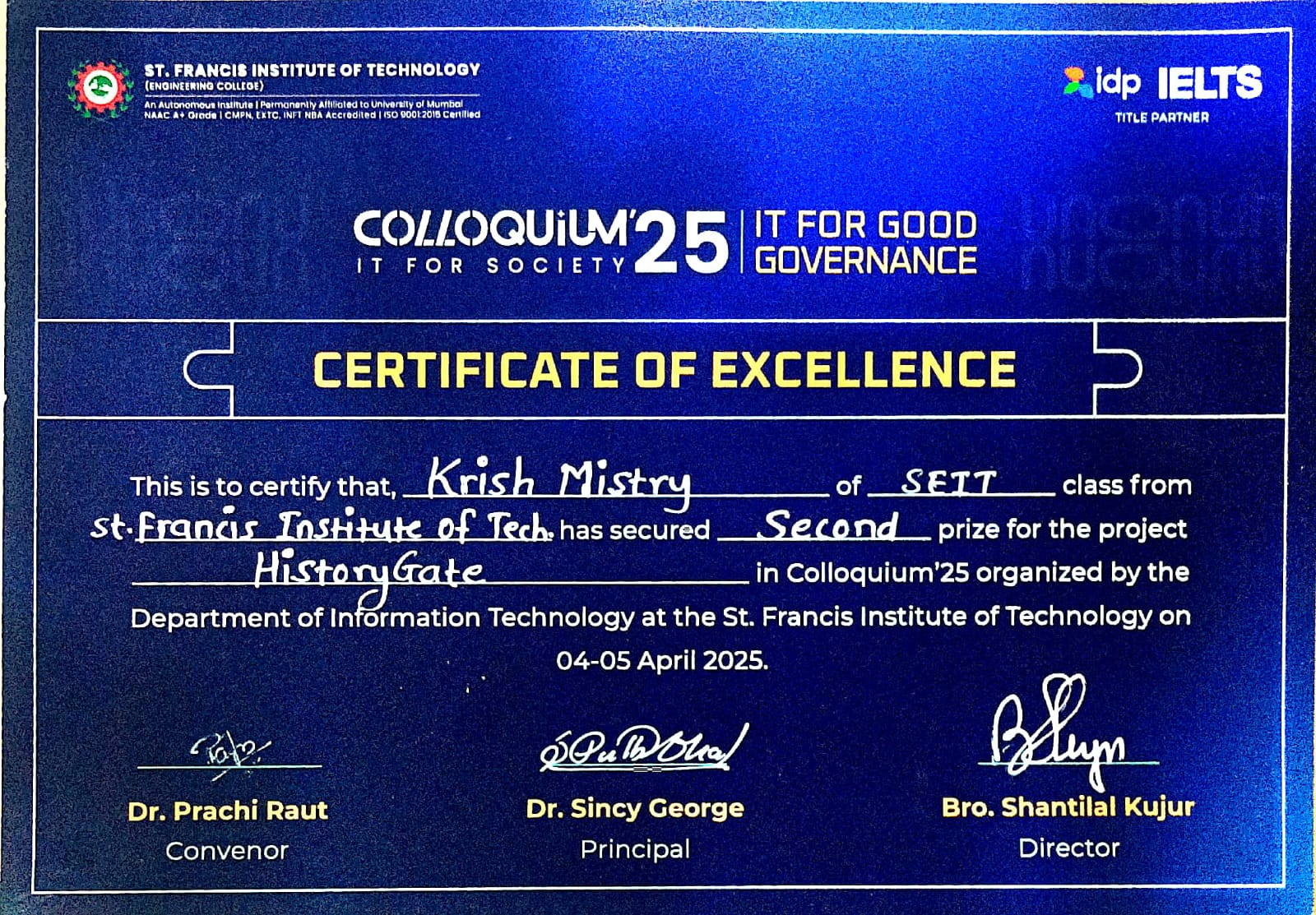
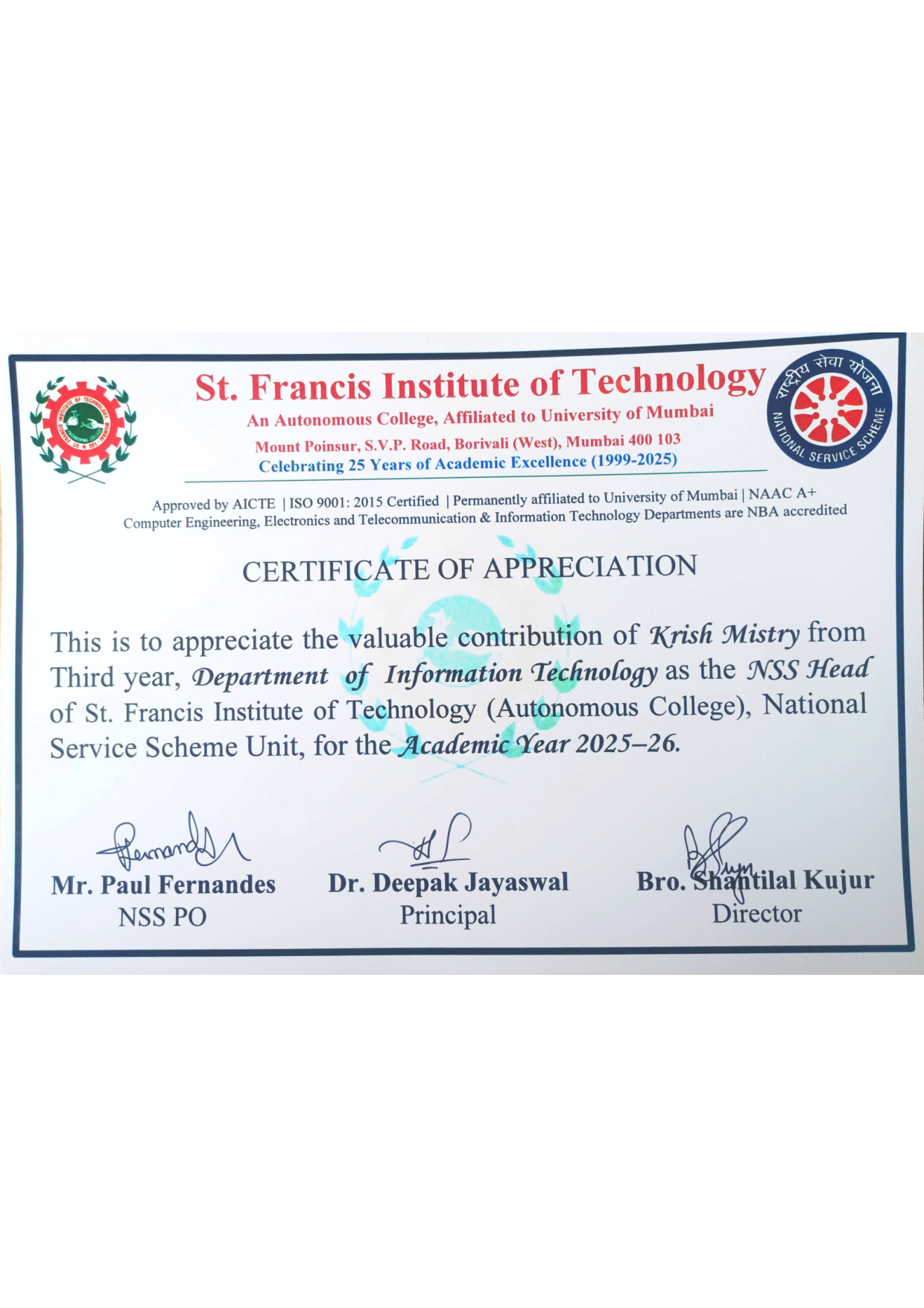
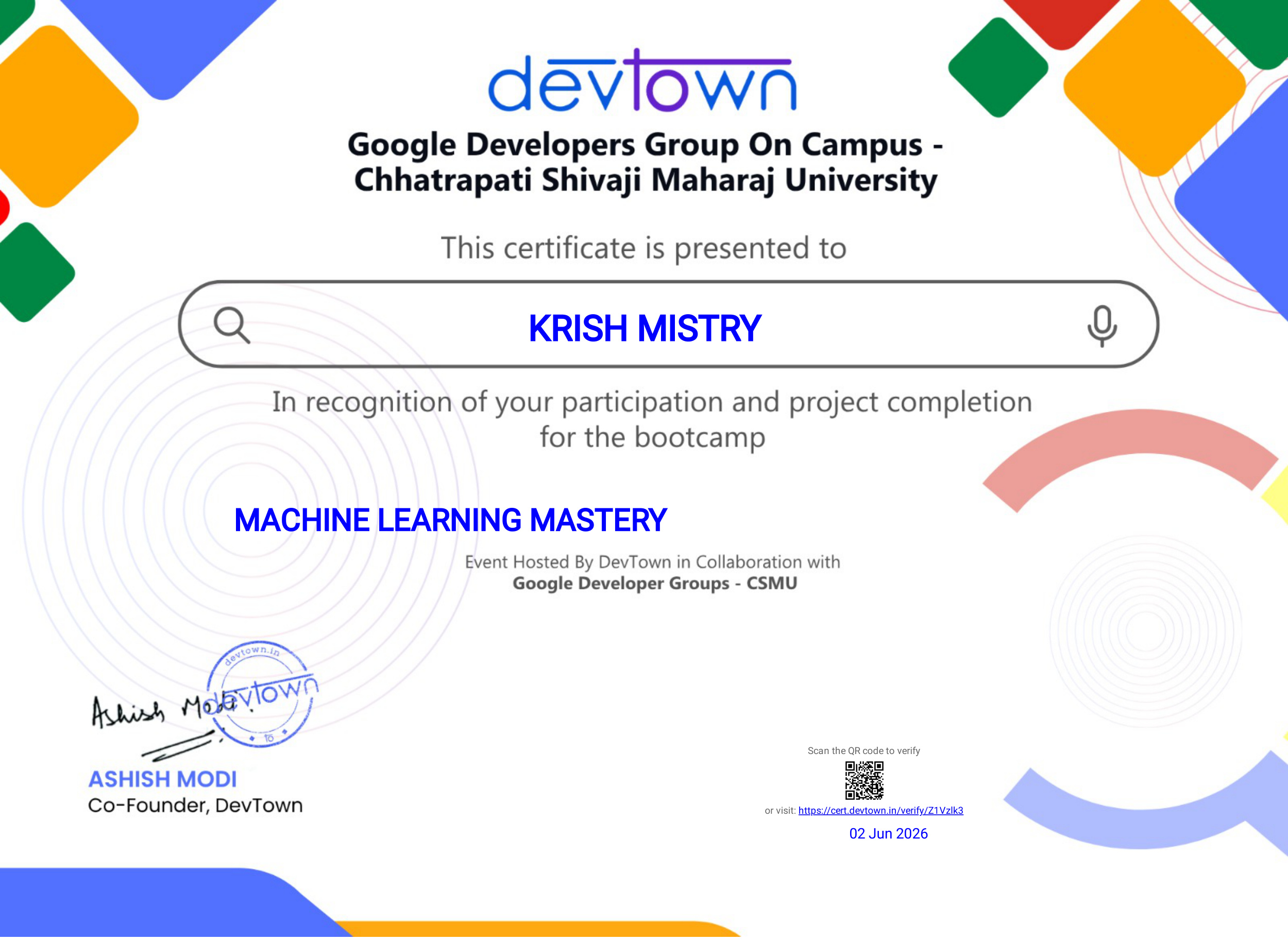
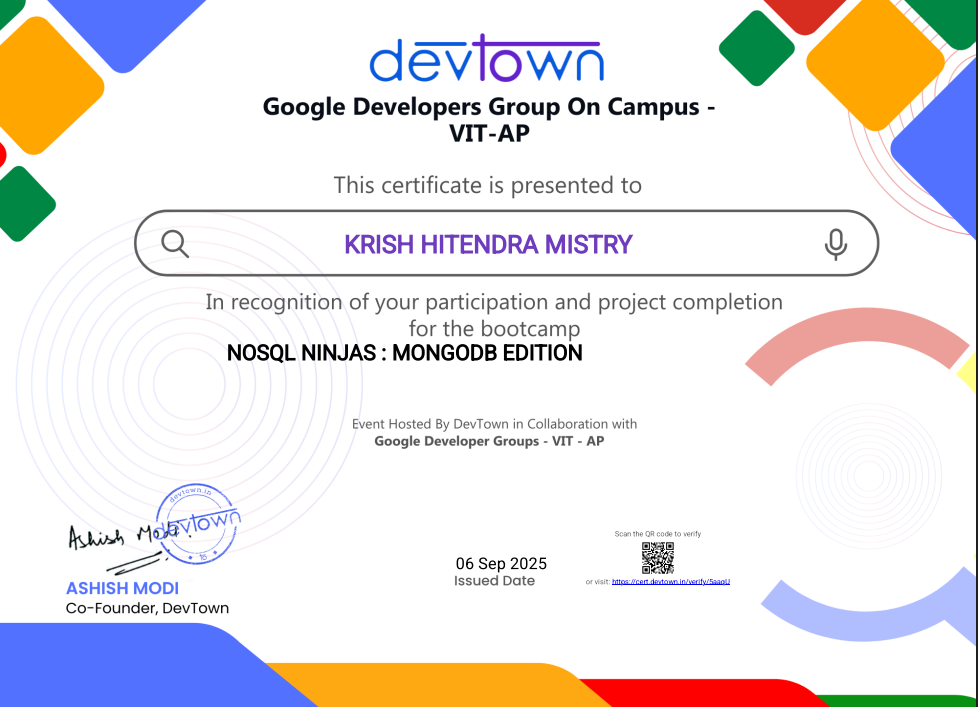
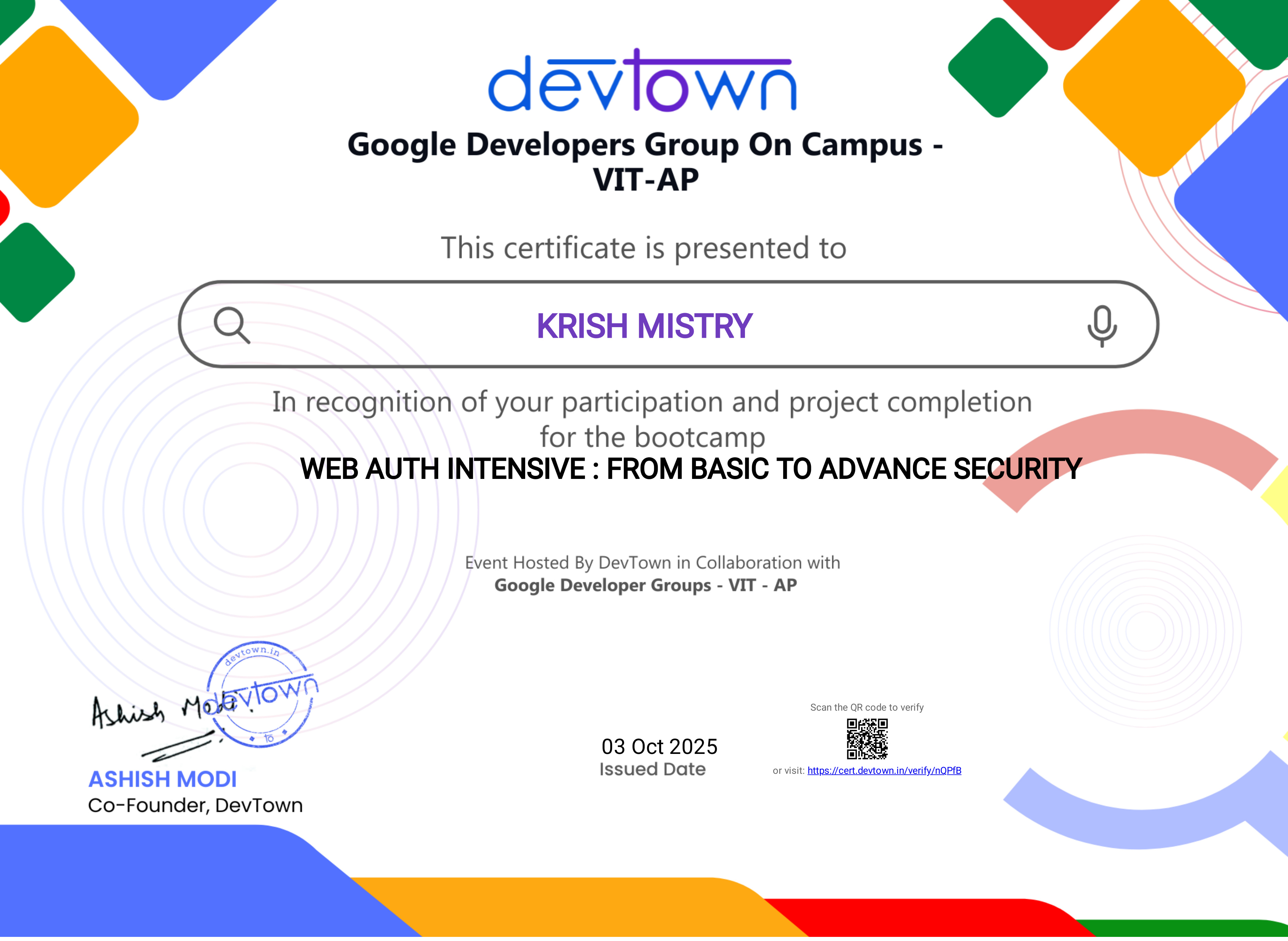
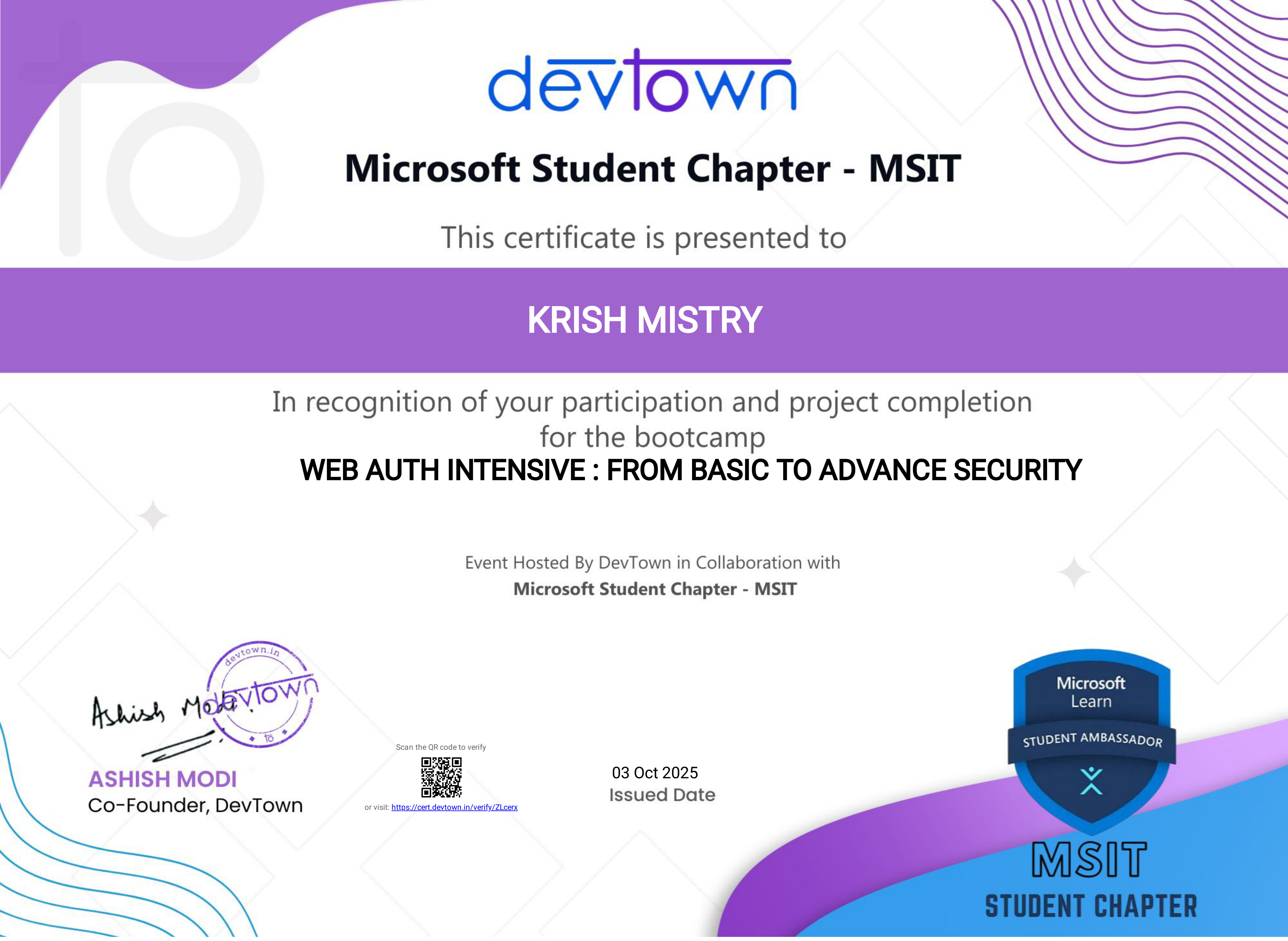
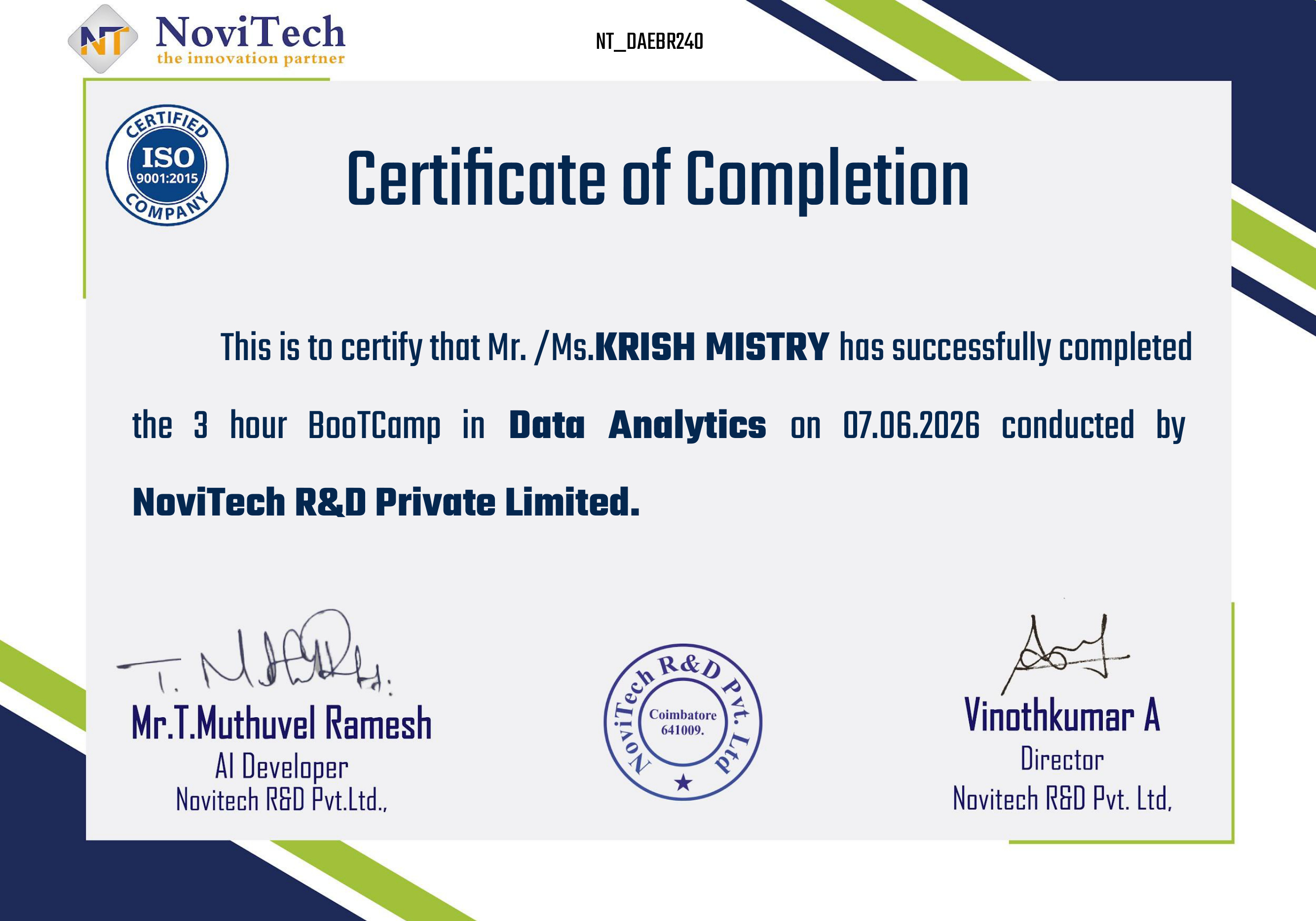
Achievements and certifications unlocked
I'm actively looking for internship opportunities in full-stack, AI/ML, or product engineering. If you're working on something interesting — or just want to talk tech — reach out.
say hello ↗